Hedging and pruning. Clean, shaped and professionally maintained.
Hedges squared off, shrubs brought back into shape and overhanging growth cut back from paths, fences and gutters.
What is hedging and pruning?
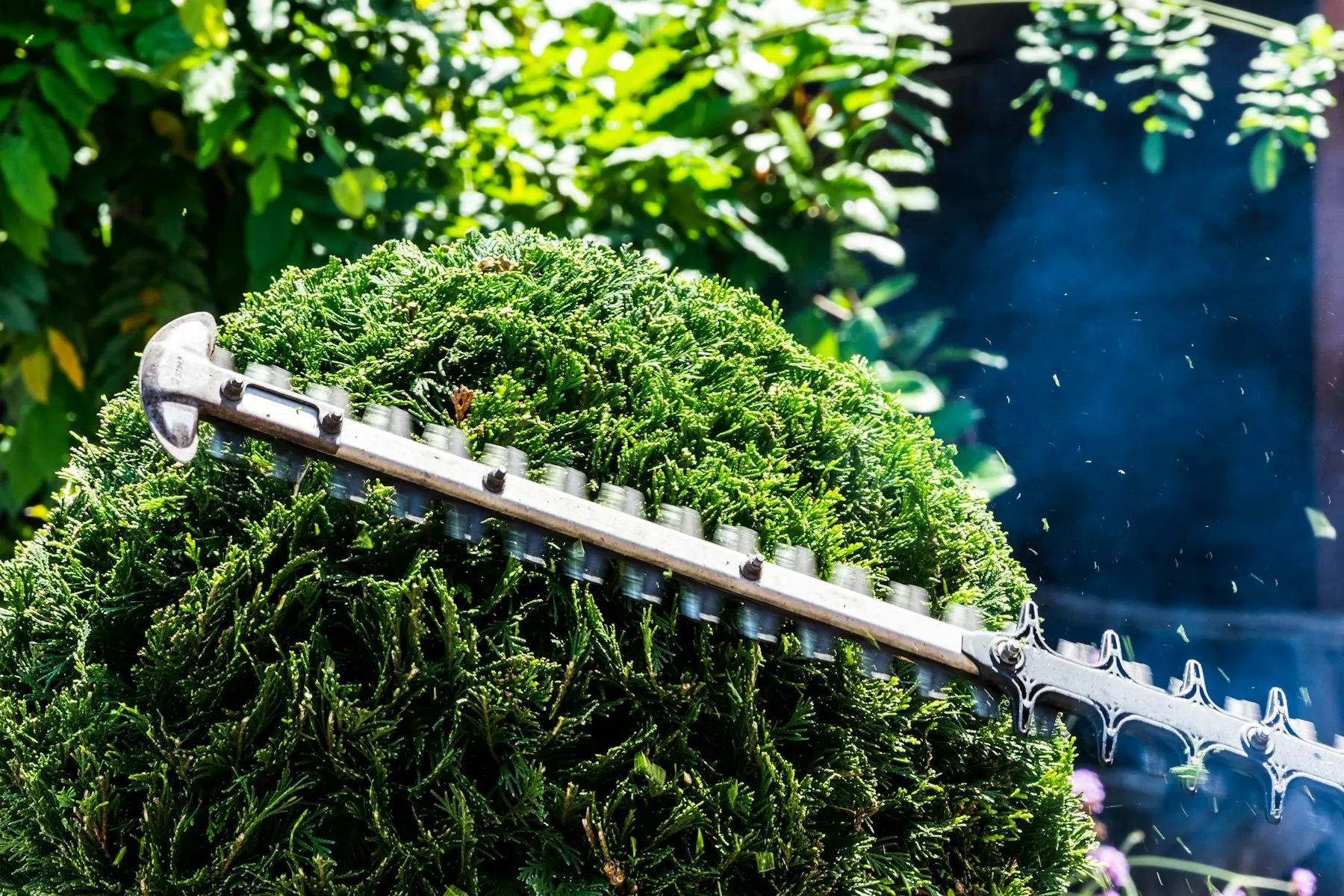
Hedging is trimming a hedge to a neat, even shape. Pruning is cutting back shrubs and small trees to control their size, remove dead or crossing branches and keep them healthy.
Left alone, hedges get woody and patchy, shrubs take over paths and windows, and branches end up rubbing on fences, roofs and gutters. Regular trimming keeps everything in proportion and lets light and air into the plant, which helps it stay full and green.
How hedging and pruning is done
From the first look at your yard to leaving the place tidy, step by step.
- 1
Agree the shape
Talk through how tall and wide you want the hedge or shrub, and what needs cutting back.
- 2
Trim and shape
Hedges are trimmed straight and even. Shrubs are pruned back into shape.
- 3
Cut back overgrowth
Growth hanging over paths, driveways, fences and gutters is cut back.
- 4
Clean up the green waste
Clippings and branches are raked up and cleared away.
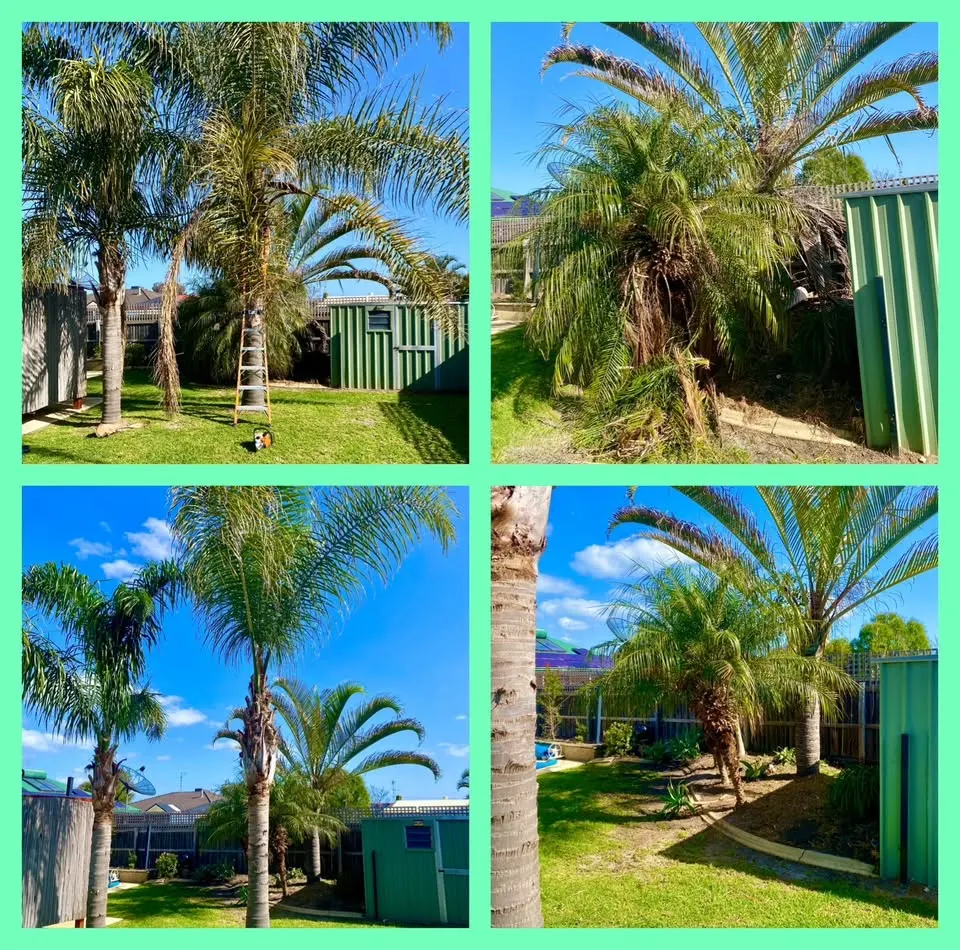
The benefits of hedging and pruning
- A neat, cared-for look
Sharp hedges and tidy shrubs lift the whole front of the house.
- Healthier plants
Removing dead and crowded growth lets light in and encourages new growth.
- Clear paths and gutters
No more pushing past branches, and less leaf litter in the gutters.
When is the best time to trim hedges?
Most hedges handle a trim through the warmer growing months. Flowering shrubs are usually best pruned just after they finish flowering so next season’s flowers are not lost.
Do you take the clippings away?
The green waste is cleaned up as part of the job. Ask Simon when you book how it will be dealt with.
Can you prune small trees?
Small trees and large shrubs, yes. Big tree work usually needs a qualified arborist.